


Beyond Learning & Academics: Enabling Positive Childhood Experiences in Crisis
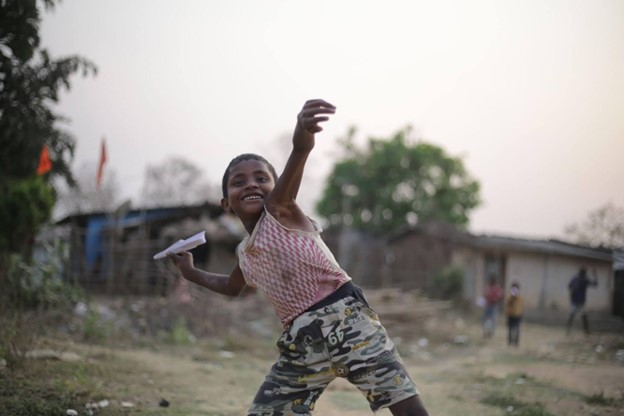
A nurturing childhood and environment is fundamental for peace, justice and sustainable development. Children when exposed to grow up in safe, supportive and understanding environments are more likely to contribute to a more compassionate world. However, in regions affected by conflict, ensuring these positive childhood experiences (PCEs) becomes not just an imperative as an educational priority but also a most crucial survival strategy.
The Crisis in Bastar
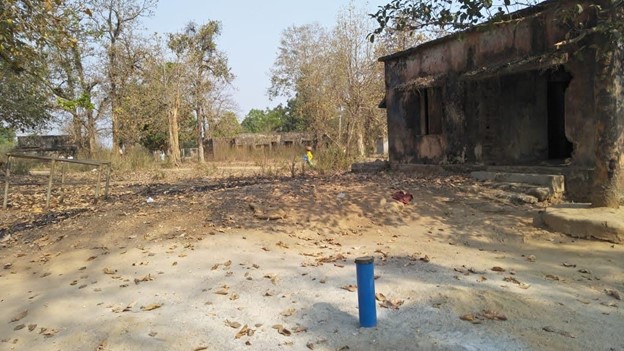
Chhattisgarh, particularly the Bastar region, has been predominantly affected by Left-Wing Extremism (Bastar, Maoism and Salwa Judum - Nandini sundar) as a form of ‘non-international armed conflict’ in India, which has been disrupting children’s education and overall well-being. Many schools in Sukma and other districts of Bastar region have been destroyed and abandoned, leaving thousands of children without access to basic learning opportunities and access to education and childhood. In some cases, children are drawn into armed groups, further jeopardizing their future.
The situation was exacerbated by the advent of Salwa Judum movement (Report on the conflict & Salwa Judum) (Salwa Judum - The Hindu, 2011), which led to mass displacement and the closure of over 300 schools in the region. Although efforts have been made by the administration and other stakeholders to rebuild, the instability continued to impact children’s ability to learn and thrive. Schools that have been reopened still face significant challenges which range from lack of basic infrastructure in the schools, the schools being run by one teacher alone catering to all grades as ‘single-teacher schools’, lack of trained teachers and resources to address the emotional needs of conflict-affected children.
The Importance of Positive Childhood Experiences
Children facing adversity and challenges can still exhibit resilience if provided with supportive and enabling environments coupled with strong relationships. Positive Childhood Experiences (PCEs) play a vital role in mitigating the negative impacts of trauma, ensuring that children feel safe, connected and capable of learning. At Shiksharth, we work towards enabling PCEs through these three fundamental questions:
- Am I Safe?
- Am I Loved?
- Am I Learning?
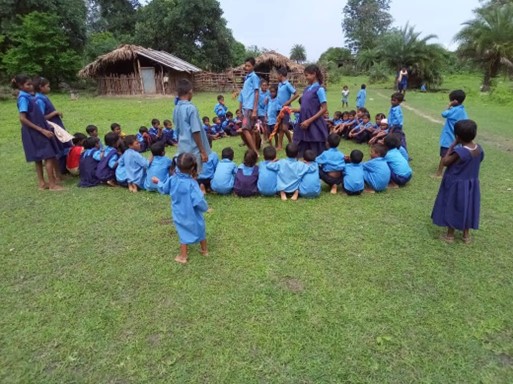
Shiksharth has, since 2015, been working in the Sukma district of the larger Bastar region in the state of Chhattisgarh. The state is noteworthy not only because it holds one of the largest concentrations of the tribal population in India but also because of the ever-present left-wing extremism, a euphemism for the violent Naxalite movement, that has continued unabated over the past six decades, with violence slowly ebbing and receding in the past few years. Even then, it has already impacted more than three generations in the state. Shiksharth aims to transform schools into spaces that provide Positive Childhood Experiences (PCE) for children from conflict zones and adverse geographies. We achieve this by enhancing classroom instruction, promoting community participation, and offering system support through an integrated approach.
Shiksharth’s Approach: Schools as Spaces for PCE
To enable and create safe, nurturing and learning-friendly environments, Shiksharth has implemented the following strategies as part of a PCE model:
- Contextualized learning solutions - materials and teaching methodologies adapted to the socio-cultural realities and culturally relevant tribal world of the children. This includes multilingual resources and participatory learning techniques like to bridge learning gaps for tribal children, Gondi and Halbi-language storybooks were introduced, making lessons more relatable and engaging.
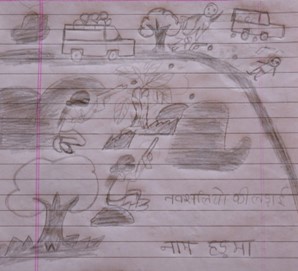
- Reopening Conflict-Affected Schools - Over 250 schools have been reopened in conflict zones. After reopening a conflict-affected school in Konta, children who initially sketched combat scenes transitioned to depicting homes and forests—reflecting emotional recovery through creative expression.
- Community-Led Learning Spaces: In Sukma, where schools were left with single-teacher setups, Shiksharth trained local youth as community educators, ensuring continuity in education.
- Trauma-Informed Pedagogy provides necessary support for teachers to equip them with strategies and support children’s emotional and psychological well-being. (INEE - EiE). Teachers trained in social-emotional learning (SEL) and mental health awareness in Bastar have reported improved student engagement and classroom well-being.
Beyond Conflict: The Role of PCEs in Education in Emergencies
For education in emergencies to be truly transformative, it needs to incorporate:
- Prioritizing safe and nurturing learning environments as a core component of educational policies and implementation strategies. (UNESCO - EiE)
- Supporting community-led models for empowering the local educators and caregivers
- Integrating mental health and psychological support &
- Advocacy for policy level reforms recognizing emotional well-being as central for learning.
Shiksharth’s approach provides a scalable model for integrating PCEs into education in crisis contexts. For more insights on our work, visit Shiksharth.
About the Authors
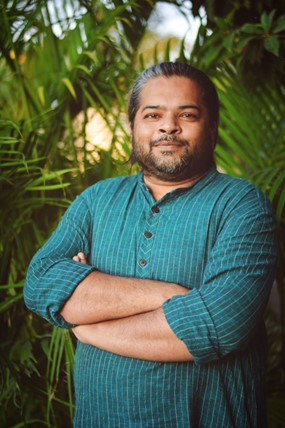 Ashish Shalini Shrivastava is the co-founder of Shiksharth, an organization dedicated to creating positive childhood experiences for children living amidst crises caused by armed conflict, natural disasters, and challenging geographies. With a professional career spanning over 20 years, Ashish transitioned from an IT and ITES background to making contributions in the education sector. For the past 12 years, he has worked closely with children and communities in the conflict-affected regions of Sukma and Bastar in Chhattisgarh, areas deeply impacted by left-wing extremism. His work emphasizes creating contextually relevant educational solutions tailored to the unique needs of communities. Ashish's approach is rooted in collaboration and collective action, focusing on strengthening ecosystems through shared resources and partnerships. A firm believer in giving as a way of life, Ashish is an volunteer for DaanUtsav, India’s largest festival of giving.
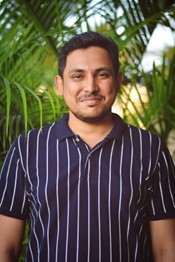 Pavan Sai Deshmukh is an education professional with over eight years of experience in designing and leading innovative educational programs, particularly in conflict-affected and tribal regions. Currently heading product development and pedagogy at Shiksharth Trust, he specializes in multilingual curriculum design, school transformation, and community-driven education initiatives. His work includes developing contextual learning programs, leading school reopening efforts, and implementing project-based. With a Master of Arts in Education (M.A. Education - Elementary) from TISS, Mumbai and a background in curriculum research, he is dedicated to enabling positive childhood experiences and sustainable educational change.